By Turhan Canli
As Europe copes with the presence of nearly a million refugees, national medical care systems have become strained.

a journal of research & art
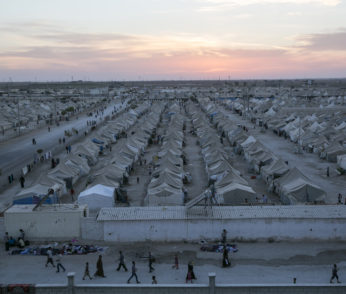
By Turhan Canli
As Europe copes with the presence of nearly a million refugees, national medical care systems have become strained.
By Maria Höhn
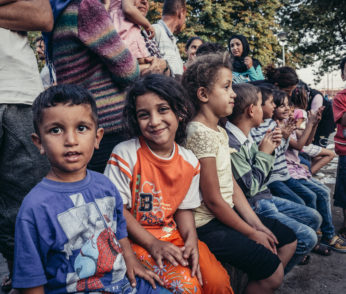
If we want to prepare our undergraduate students for this new reality, we need to be a part of researching, analyzing, and designing curriculum innovations that give our students the capacities and skills to engage with what will be global challenge for decades to come.
By Nicole Shea and Turhan Canli
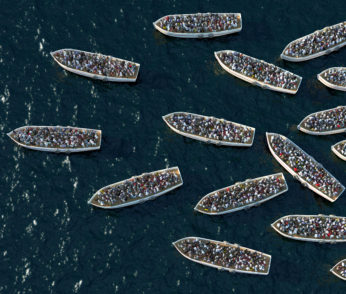
In political analysis, scientific inquiry, literature, poetry, language, and the arts, we examine the loss of culture and identity and the effects of trauma on the human mind, as well as the healing power of artistic expression.
By Morten Høi Jensen
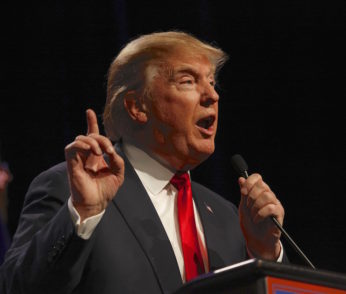
It would take many rigorous and carefully administered lessons in world history to cover the vast and chilling tundra of President Trump’s ignorance. European history might not be a bad place to start, however, especially if you believe, as President Trump does, that the European Union was created in order to “beat the United States when it comes to trade,” or that it is merely “a vehicle for Germany.”
Translated by Karen Gernant & Chen Zeping
Nights on the riverbank were terrifying: it was as if the violent wind would blow the boxes into the river at any moment. Mixed with this strong wind were many howling wolves.

Curated by Nisha Sajnani
Through resettled media, each artist contemplates the psychological, social, and physical effects of forced migration.
By Maria Höhn
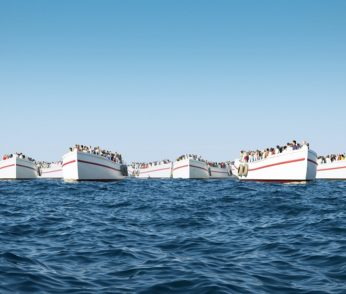
Currently, around 60 million people across the globe are displaced by war, violence, and environmental destruction; half of them are children. This worldwide refugee crisis of forced migration is the largest displacement of people since WWII. View Maria’s course syllabus for The 21st Century Worldwide Refugee Crisis at Vasaar College.
By Elena Lappin
No one except my brother seemed to be concerned about how this bombshell was affecting me. My parents were the core, I was the periphery. Whose story was this, really?
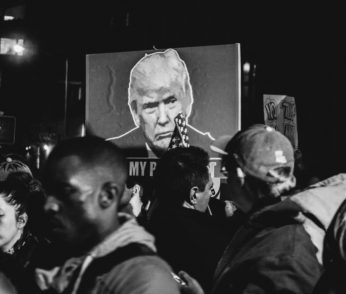
By James Fitzgerald
This article critically interrogates the “terrorist/refugee” narrative that has become a mainstay of increasingly right-wing political and (social) media discourse. It contextualizes the conflation of “refugees” with “terrorists” by reference to logics of contemporary counterterrorism practices, which tend to securitize entire populations based on the threat that they might produce.