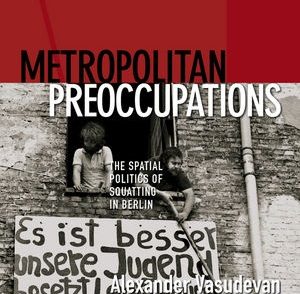
Reviewed by Fabian Frenzel
At times Berlin feels overburdened with history. Every stone in the city has a story to tell, and often these stories are grim.

a journal of research & art
Reviewed by Fabian Frenzel
At times Berlin feels overburdened with history. Every stone in the city has a story to tell, and often these stories are grim.

By the EuropeNow Editorial Committee
Here are this month’s editor’s picks from Research Editorial Committee members Hélène Ducros (Geography), Ozden Ocak (Sociology), Mihai Sebe (Political Science), and Malcolm Campbell-Verduyn (Political Science).

By Mary Wang
In European countries with growing right-wing movements, the upcoming elections should serve as a reminder that merging bodies into one space isn’t always enough. Instead, those in countries like France and the Netherlands, who will elect new governments in March, will need to understand that even in countries where the female body isn’t immediately under threat, female solidarity means voting against the politicians who will hurt immigrant and colored bodies more.

By Thomas Henökl
Never before has the change of administration in the United States caused this much concern globally, and never before has a US President incited so much tension ahead of taking office. As the hopes for a Damascene conversion for the new POTUS are waning, one thing has become evident by now: the path of naive unilateralism that the forthcoming American government is set to follow will prove to be of little help for international development or a burgeoning global policy of common good.
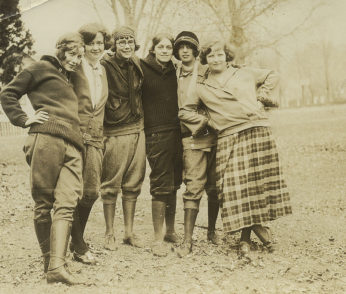
By Ewa Hryniewicz-Yarbrough
While city attitudes toward women cutting their tresses had by then become more liberal, in small towns and villages the daring ones were branded morally delinquent and sentenced a priori to eternal damnation. A popular saying: “Short hair, short on brains” expressed prevalent attitudes.
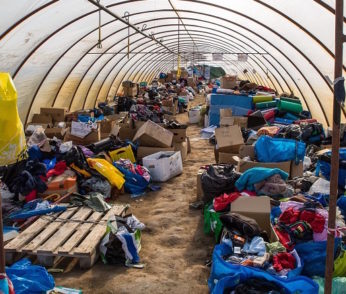
By Danilo Mandić
From the Vatican to Downing Street, the refugee crisis has been acknowledged as a fundamental test of European politics and identity.

By Morten Høi Jensen
The experience of the people of Lvov is an important rejoinder to the resurgent ethnic nationalism now tightening its grip on Europe—with its nostalgia for some illusory cultural and ethnic homogeneity, for a lost golden age that never existed and to which it would not be desirable to return if it did.
Reviewed by Angelos-Stylianos Chryssogelo
The first half is a Keynesian analysis of the flaws of the Eurozone architecture; the second half is a condensed political program of how a country could negotiate and implement an exit from the euro.
Reviewed by Shawn Donnelly
Instead of focusing on stable prices as the benchmark of a working monetary union, Flassbeck and Lapavitsas argue for coordination of unit labour costs instead, following observations of how economic growth in Europe closely follows wage growth.