All Posts By

EuropeNow

20th Century Central European Literature

By Meghan Forbes

The contested construct of Central Europe, the violence of the two world wars, and the turbulent political environment in the region throughout the twentieth century has produced a distinct body of literature that expresses both cultural specificity and a more universal tension between unease and optimism brought about by a constant state of flux.
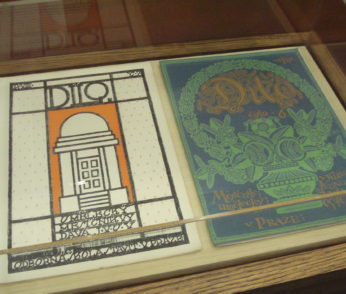
European Avant-­Garde in Print

By Meghan Forbes

The period between the two world wars in Europe marked a moment of intensive artistic and intellectual exchange as new nations were formed, such as Czechoslovakia’s First Republic and Weimar Germany. This active learning course will examine how the Czech, German, Polish, Hungarian, and Serbo‐Croatian avant­‐garde magazines contributed to international discussions about what a new Europe should be through their innovative use of photography, international typographic conventions, and translation.

Two Poems by Darko Cvijetić

Translated by Mirza Purić

Says
All things
When you lay them
One across the other
Make a cross
Only a man
Dropped as a perpendicular
Onto another man

March 2017

By the EuropeNow Editorial Committee

Here are this month’s editor’s picks from Research Editorial Committee members Hélène Ducros (Geography), Louie Dean Valencia-García (History), Samantha Lomb (History), Mihai Sebe (Political Science), and Daniela Irrera (International Relations).

Why is the Czech Republic So Hostile to Muslims and Refugees?

By Jan Čulík

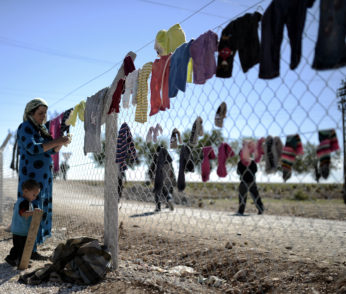
The significant upsurge of refugees, which came into Europe in 2015, was met with unprecedented anger and hostility from an overwhelming majority of citizens of most of the post-communist Central European countries. It would appear that a synergy of several historical, cultural, political, and economic factors has created this fiercely hostile reaction.

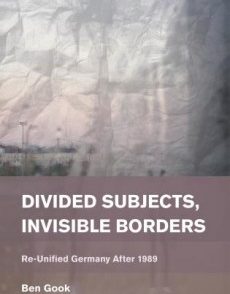
Divided Subjects, Invisible Borders by Ben Gook

Reviewed by Samantha Fox

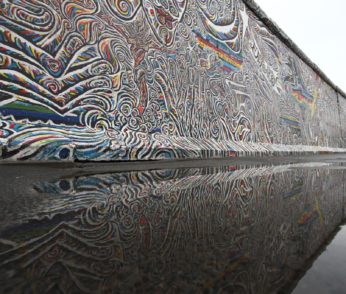
The Berlin Wall may have fallen twenty-five years ago, but Germans still talk about “Die Mauer im Kopf”—the wall in the head—the cultural and psychological divisions between East and West that continue to endure. Ben Gook’s Divided Subjects, Invisible Borderlands: Re-Unified Germany After 1989, examines the unfinished business of reunification.