By Michal Kotnarowski and Michal Wenzel
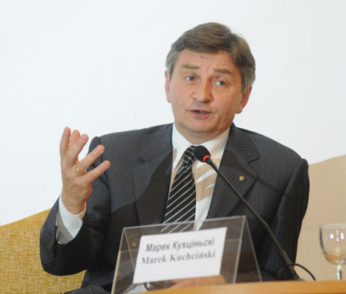
On December 16, the Sejm debated on a number of bills, including one of the most fundamental laws, the budget bill for 2017.

a journal of research & art
By Michal Kotnarowski and Michal Wenzel
On December 16, the Sejm debated on a number of bills, including one of the most fundamental laws, the budget bill for 2017.
By Margaret Tejerizo
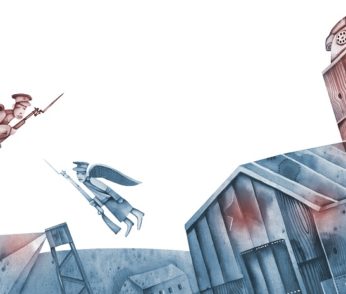
As we have noted above, there are very many features of Codina’s life which remain both unexplained and poorly researched. She was reluctant, as noted, to speak about her experiences in the Gulag, so most of the information that exists about her time there comes from reports family members, especially her grandsons.
By
I was a sort of upstairs-downstairs person in the crew. My role as journalist and anthropologist afforded me precious access to both worlds.
By Anna Tihanyi
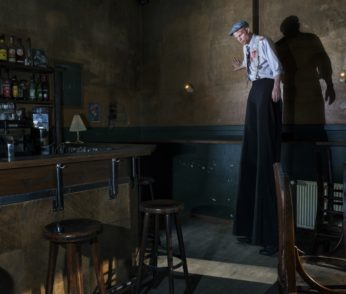
The scenes take place in different interiors of a fictive Berlin, showing feelings and relations through moments of transition, and emphasizing that the image is frozen in time.
Interviewed by Özden Ocak
Based on ethnic profiling, dozens of people have been arrested by the police around the train stations in the Calais and Lille areas.
Reviewed by Jonathan Durrant
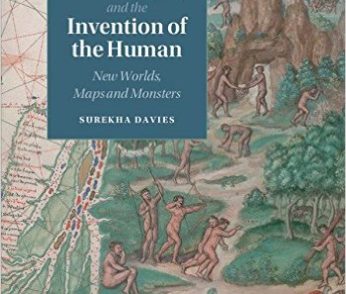
Davies shows how Renaissance maps illustrated human variation across the globe as diplomats, soldiers, merchants, and travelers understood it.
By Katrine Øgaard Jensen and Mirza Purić
This month’s special feature investigates how language, lyrics, poetics, and politics speak to and push against each other in a politically charged climate, which to many Europeans echoes eerily of a not-too-distant past
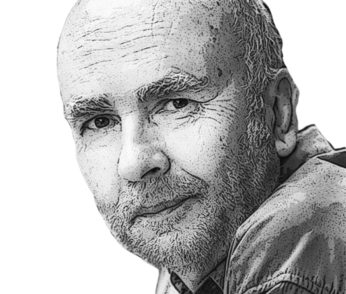
Interviewed by Morten Høi Jensen
Indeed, many of Zagajewski’s poems strive to rescue moments of apparent insignificance from the weight of history.
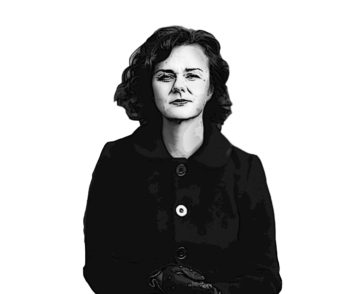
Translated by Bill Johnston
I’d like to say—to her, to both of them—
let’s lie down beneath the grass, lie in the shade
of dried-out ships, let matters of fate be left
to those plane trees, I’d like to say, look over there!