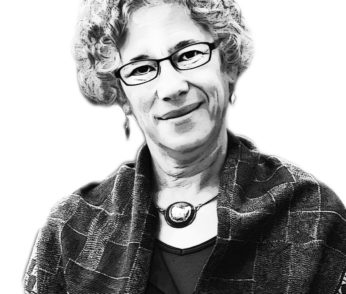
By Pamela Feldman-Savelsberg and Alma Gottlieb
The lives, status, and images of immigrants may constitute the single-most urgent human issue.

a journal of research & art
By Pamela Feldman-Savelsberg and Alma Gottlieb
The lives, status, and images of immigrants may constitute the single-most urgent human issue.
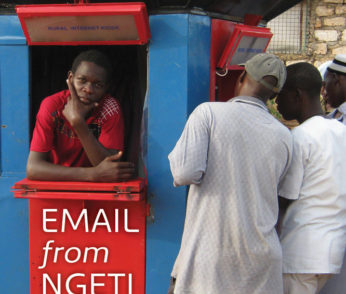
By Janet McIntosh
View this course syllabus for Colonialism and Postcoloniality in Africa: Encounters and Dilemmas from the Anthropology Department at Brandeis University.
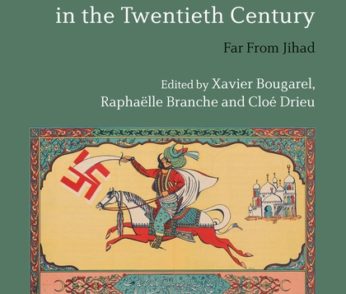
Reviewed by Christopher Tozzi
These essays offer valuable and fascinating information on the experiences of Muslim troops within diverse regions of Europe during the wars of the twentieth century.
Reviewed by Yousuf Al-Bulushi
When Nelson Mandela became South Africa’s first democratically elected president in 1994, much of the Western world rejoiced at the prospect of a “reasonable” transition from apartheid to liberal democracy on the African continent. Mandela was seen by many as the best equipped to realize the goals of freedom, justice, and equality in the African country that had remained under white settler domination for longer than any other on the continent.

Translated by Cole Swensen
They have the extreme, soft, palpable, tangible sensation of glimmering each with his neck plunged in a basin of water, made artificial, they look at each other, clearly apt to scurry off, they know nothing of each other, to scrutinize, they possess the fragile, fluttering, heightened, exclamatory sensation of being able to leave at any moment, whenever they want
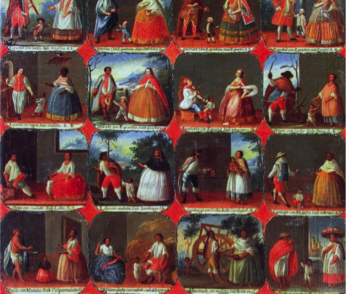
By Carina Ray
View this course syllabus for Race, Sex, and Colonialism from the History Department at Brandeis University.

By the EuropeNow Editorial Committee
Here are this month’s editor’s picks from Research Editorial Committee members Hélène Ducros (Geography), Louie Dean Valencia-García (History), Mihai Sebe (Political Science), and Malcolm Campbell-Verduyn (Political Science).

Interviewed by Sherman Teichman
The current conflicts in Africa are concentrated in specific regions, but they are intense, volatile, and some pose great challenges to both regional and global governance and stability.

By Hélène B. Ducros
With this special feature, EuropeNow confirms the web of connectivity that exists between nations of Europe and nations of Africa, as not only rooted in geopolitics and global economic flows, but also increasingly in global cultural flows, which support the enduring linkages and reciprocal influences between the two continents and shape the ways in which both Africans and Europeans apprehend the local and the global.