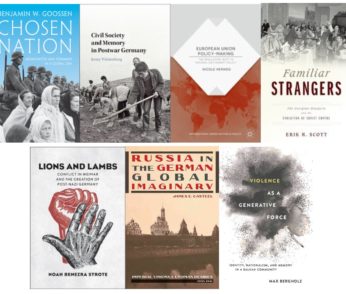
The European Studies Book Award shortlist has been announced. The award honors the work of talented scholars who have written their first book on any subject in European Studies published within a two-year period.

a journal of research & art
The European Studies Book Award shortlist has been announced. The award honors the work of talented scholars who have written their first book on any subject in European Studies published within a two-year period.
By Michael Meeuwis
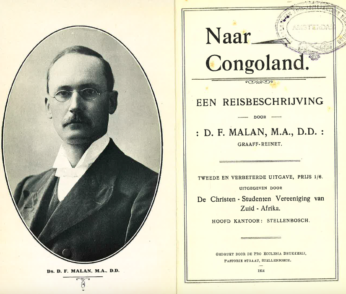
Dutch has been present in South Africa since the establishment in 1652 of the first permanent Dutch settlement around what is now Cape Town. In the decades and centuries that followed, the Dutch spoken there, detached from its ancestor in Europe, underwent internal developments as well as influences from other languages.
Translated by Baba Badji
One open prism placed at random from the thistles / and not one / reason to live
Translated by Hope Campbell Gustafson
Mama built our house with flamboyant tree branches and braids of palms, mixing a paste of resin, dung and red sand to protect us from water and from the monsoons.
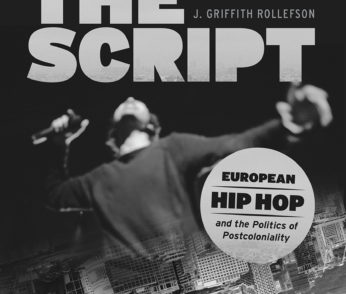
Reviewed by Séverin Guillard
This music genre sheds light on postcolonial issues that, despite having been crucial in European politics, have often been put aside in most debates. As immigrants from former colonized countries settle in the heart of the ex-colonial capitals, hip hop helps them to “flip the script” on the dominant discourse on Europe, forcing the nation to see them as an inherent part of its identity.
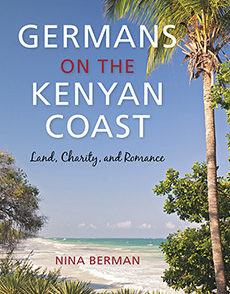
Reviewed by Mark Lawrence
Nina Berman’s Germans on the Kenyan Coast: Land, Charity, and Romance is a thoughtful effort to draw connections between the ever-vexed land question in the postcolonial world, the frequently oversimplified complexity of the history behind this, and the often-marginalized ways in which the personal has played as important a role as the political in externally-driven material development in Africa.
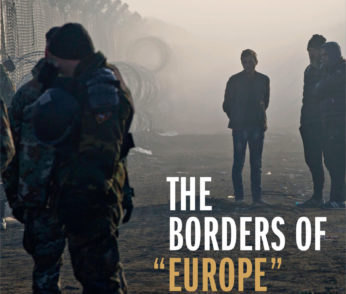
Reviewed by Özden Ocak
The last few years have left their mark on the history of humankind with the deadliest shipwrecks known to the Mediterranean, unnumbered capsized “migrant boats” trying to reach the European shores, and dead bodies washed ashore after failed attempts to cross European maritime borders—such as Aylan Kurdi, a Syrian boy trying to reach the Greek Island of Kos from Turkey.

By Hélène B. Ducros
In this issue of EuropeNow Campus, we feature a spotlight on Brandeis University.
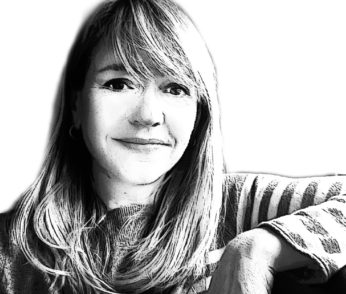
Interviewed by Hélène B. Ducros
The anthropologist delves into her disciplinary approach to the study of Africa, some of her classroom pedagogical strategies, her fieldwork experience in Kenya, and her work on the dimensions of African whiteness. As she reviews issues of race, technology, language, privilege, land tenure, and national loyalty, she highlights the many layers of post-colonial plural identities and belongings.