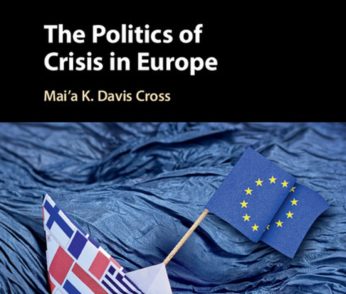
Reviewed by Neil Dooley
The European project has been eulogized, like clockwork, every couple of years since the Treaty of Rome.

a journal of research & art
Reviewed by Neil Dooley
The European project has been eulogized, like clockwork, every couple of years since the Treaty of Rome.

By Laura Scuriatti
How is it possible to narrate the experiences of estrangement, disorientation and surprise born out of the encounter with a foreign place which is also supposed to feel like “home?”
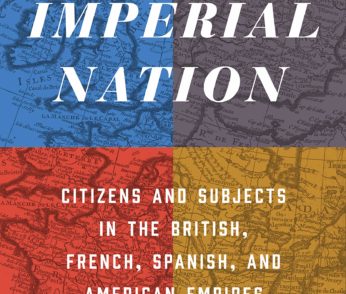
Reviewed by Meghan Tinsley
Paradoxically, in interweaving the stories of metropolis and colonies, and in emphasizing their mutual constitution, Fradera cedes space for the oppressed.
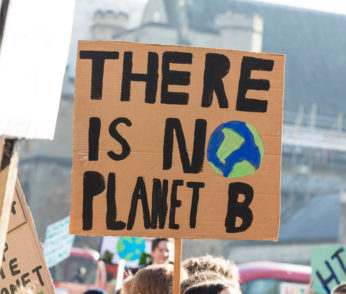
By Kerry Bystrom
What does citizenship mean today when the power of nation-states to define and secure the future seems to be shrinking even as nationalism is on the rise?

By the EuropeNow Editorial Committee
Here are this month’s editor’s picks from Research Editorial Committee members Hélène B. Ducros and Louie Dean Valencia-García.
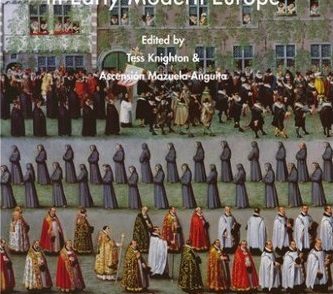
Reviewed by David J. Burn
Hearing the City is a major contribution at several levels. It re-addresses existing literature from different perspectives as well as covers cities and material not previously treated.

By Agata Lisiak
Unpacking the workings of colonial histories and racial capitalism, the course puts emphasis on the uneven geopolitical developments that produce specific forms and taxonomies of migration.
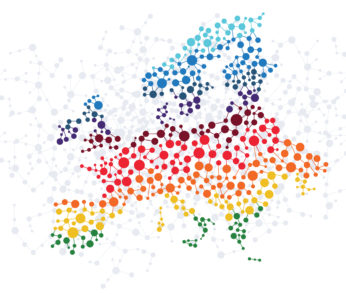
By Wilma Ewerhart, Omar Haidari, May Keren, Jude Macannuco, and Mohamad Othman
In the weeks leading up to the assignment, we discussed the meanings and workings of colonialism, borders, migration, and belonging in Europe and beyond.
By Ariane Simard
What happens when conscientious acts move from being merely a political practice to becoming something that resembles works that are more subtle and personal? What happens when an artist’s work veers into the political realm?