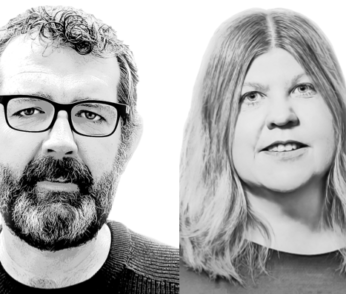
Interviewed by Rusudan Zabakhidze
Only specific migration policies and cultural attitudes do anything to reduce health inequalities between natives and immigrants.

a journal of research & art
Interviewed by Rusudan Zabakhidze
Only specific migration policies and cultural attitudes do anything to reduce health inequalities between natives and immigrants.
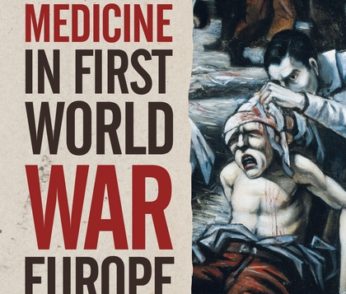
Reviewed by Richard S. Fogarty
She has humanized the men and women of the past, making their unimaginable experiences of war and pain and caring accessible to us.

By Michele Rivkin-Fish
This course examines the experiences of post-socialist countries as a means of understanding the relationship between political-economic, social, and cultural change, on the one hand, and public health and gender relations, on the other.

By Raúl Necochea López
Now a decade into my job as a professor, I am learning that teaching is not only as important as my research, it is also personally and professionally rewarding.
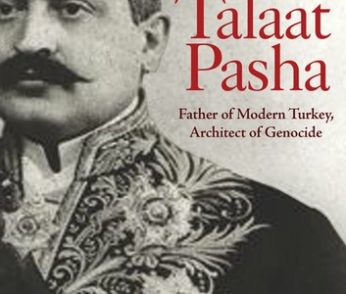
Reviewed by Mehmet Polatel
The book explores the rise and fall of Talaat Bey, his approach to politics, his role in the planning and implementation of the Armenian Genocide, and the impact of his policies and activities on the establishment of the Turkish Republic.

By Hélène Ducros
Welcome to our first Campus Round-up!
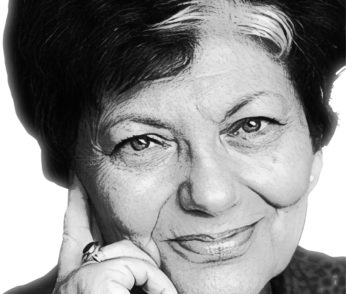
Translated by Ottilie Mulzet
The crooked street darkens / the city’s diseased lungs. / Drags to its entrance gates / the one unafraid of the heavens.
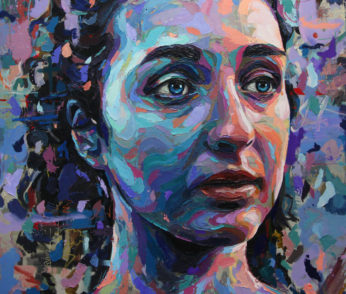
Curated by Rusudan Zabakhidze
Emphasis on mental health has resulted in a de-taboo process of the associated challenges. Visual arts contributes towards healing and raising awareness about these issues.
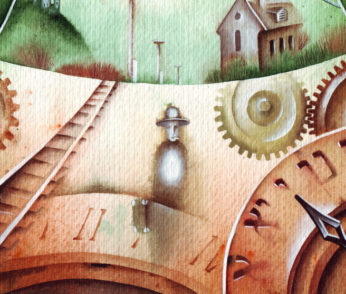
By Sigrún Ólafsdóttir and Jason Beckfield
Health is a major political, cultural, and societal issue across Europe. While health and illness have, of course, always been a part of the human experience, the epidemiological transition from infectious, deadly diseases to the increased burden of chronic and mental health problems, has put various pressures and constraints on policy makers.