
By Hélène Ducros
EuropeNow features a selection of scholarly articles and books on topics pertinent to the teaching of Europe or teaching in Europe that were published within the last 5 years.

a journal of research & art
By Hélène Ducros
EuropeNow features a selection of scholarly articles and books on topics pertinent to the teaching of Europe or teaching in Europe that were published within the last 5 years.

Reviewed by Julia Khrebtan-Hörhager and Minkyung Kim
Grand master narratives of contemporary history rarely correlate war with womanhood, especially if the latter has some dark, shameful, and controversial nature, like the infamous stories of comfort women.

By Stuart P. M. Mackintosh
Boris Johnson’s election as leader of the Conservative Party and Prime Minister of the United Kingdom on July 23, 2019, may result in a damaging, hard, disorganized Brexit on Halloween, October 31. But the economic reality of a hard Brexit could be obscured by fairytales about the glorious future awaiting Britannia when she is freed from the shackles of the European Union, and able once again to sail the seas and chart her own economic and trade course.
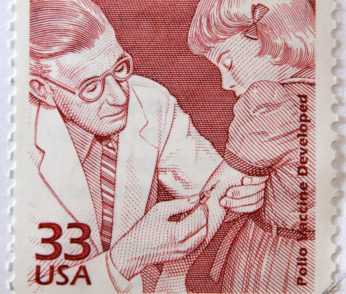
By Ugo Goetzl
It’s ironic that a disease that caused so much public health concern during the first half of the 20th century should have scant documentation.

By Thomas Henökl
Whether we see a shift away from populism or whether the far right manages to set the agenda will depend on the ability of the political mainstream, together with progressive moderates, to present a credible agenda for the future.

Interviewed by Kelly McKowen
Oscar Wilde’s utopia was socialism, a social order that he believed would overcome the misery and exploitation wrought by industrial capitalism. More than a century later, as issues like inequality and climate change swell the ranks of the left in Europe and abroad, one hears renewed calls to set sail for a society that lies beyond the capitalist horizon.
By Elyas Bakhtiari
As rates of immigration have risen in recent years, so have questions and concerns about the health needs and care delivery challenges for newly arrived populations.

By Esther Dischereit
It’s no different in Brooklyn: of the 1,825 students accepted into an elite high school, 95 are black. Well-off parents pay for private tutoring long before the entrance exam so their children will pass the test. The result is that black and Latinx children are left waiting outside the door.
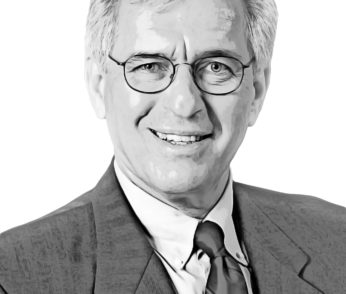
Interviewed by Hélène B. Ducros
Hadler has been committed to analyzing and deciphering a vast medical and public health literature for specialist and lay audiences.