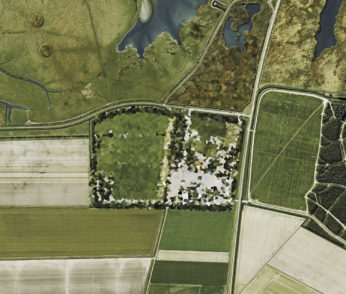
By Mishka Henner
A landscape occasionally punctuated by sharp aesthetic contrasts between secret sites and the rural and urban environments surrounding them.

a journal of research & art
By Mishka Henner
A landscape occasionally punctuated by sharp aesthetic contrasts between secret sites and the rural and urban environments surrounding them.
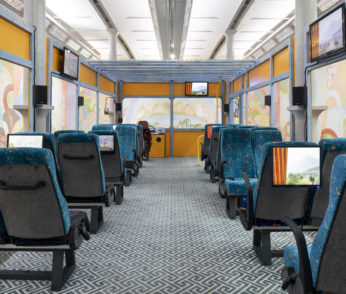
By Sol Calero
Calero’s work explores themes of representation, displacement, and marginalization, all informed by her own perspective as a migrant.
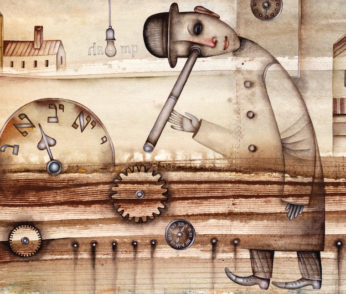
By Stefanie C. Boulila
Modernity and progress have operated as central ideas for pan-European identification. Citizenship, equality, and human rights are claimed to have their “natural” home in Europe. In its post-structuralist understanding, history is theorized as a site for the negotiation of power.
Interviewed by Juliane Mendelsohn
I think we are learning that the European project still requires more from all of us: more unity, more compassion, and more selfless solidarity.
By Jean Beaman
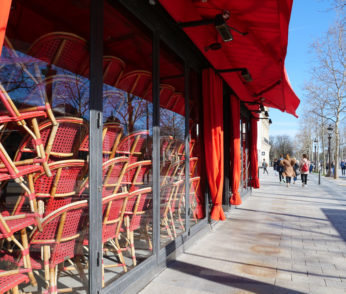
Minority populations are responding to a violence that is not new, but rather an extension of the violence of French colonialism. The quarantine period reveals how some individuals, even those who are citizens, are forever seen as suspicious.

By Anke S. Biendarra
While mutual support might work reasonably well on an interpersonal level, the Coronavirus outbreak is rapidly revealing the limits of solidarity when it comes to nation states, confirming that it is not a genuine “European” value per se, but is borrowed from the national political vocabulary.

By Peter Debaere
If we continue to scapegoat globalization instead of being willing to share more equitably the benefits of technological progress and of globalization, we will fail to bring about the international cooperation we need.
By Jennifer McWeeny
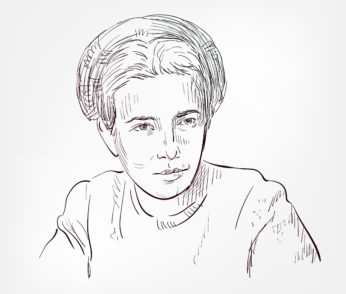
Much like Beauvoir and her famous entourage, we, too, are contending with an unexpected and catastrophic visitor. The coronavirus pandemic therefore allows us to enter the historical experience of these French thinkers more deeply than we have before.
Translated by Stephen Twilley
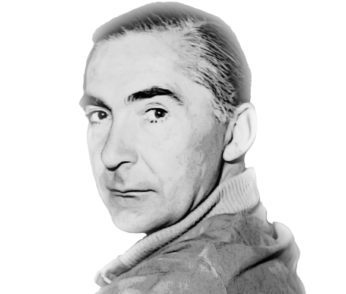
They move slowly, lazily; move their arms or turn their back by swiveling their chest, their head immobile, with the lazy litheness of reptiles.