By the EuropeNow Editorial Committee
Here is this month’s editor’s pick from Research Editorial Committee members Luke Johnson, Hélène B. Ducros, Brianna Beehler, Nick Ostrum, and Edina Paleviq.

a journal of research & art
By the EuropeNow Editorial Committee
Here is this month’s editor’s pick from Research Editorial Committee members Luke Johnson, Hélène B. Ducros, Brianna Beehler, Nick Ostrum, and Edina Paleviq.
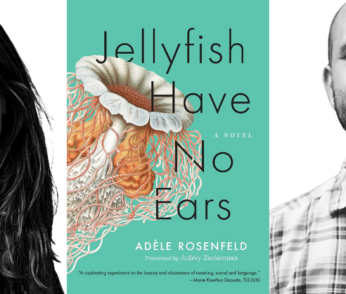
Translated by Jeffrey Zuckerman
I’d never experienced the comfort of hearing a familiar language’s soft rumble within a crowd, the warmth of feeling at home amid strangers.
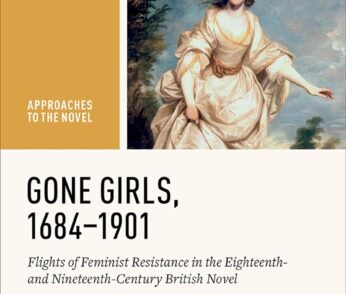
Reviewed by Brianna Beehler
Women run away from ruinous temptations, patriarchal confinements, sexual violence, rape.
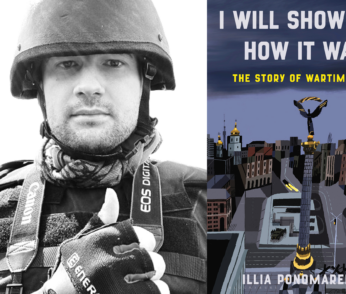
By Illia Ponomarenko
Morning comes to Kyiv again. That was indeed a dramatic night. Not only in the sense of a giant death army standing at the gate.
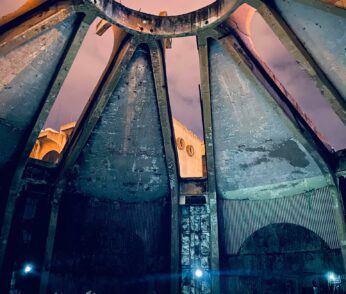
By Lora Sariaslan and Claske Vos
Artistic practices are indispensable in addressing queries about what and who constitute “Europe,” because they express feelings of belonging and can make visible what the dominant consensus obscures and obliterates. Through their art, visual and performance artists in the former Yugoslavia invoke new transnational and transitional spaces of belonging in Europe.
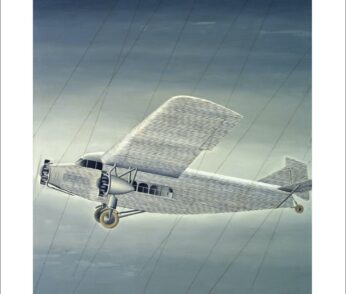
Reviewed by Anne Milano Appel
Why would a man firmly rooted in the literary world of his time never write a word of his own? This is the question Daniele Del Giudice’s debut novel Lo stadio di Wimbledon sets out to answer.
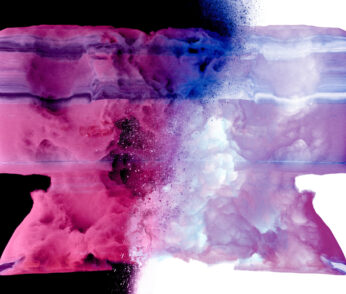
By Veronika Ichetkina
The film is saturated with psychoanalytic meaning, illustrating not only the theory of Sigmund Freud, the founder of psychoanalysis, but also theories by present-day psychoanalysts of the French and British streams.
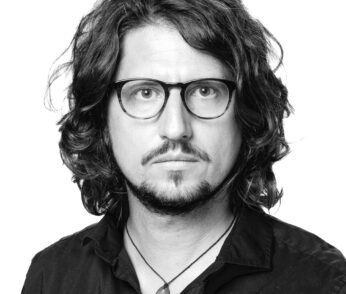
Interviewed by Elizabeth B. Jones
The difference between the tree and the forest is the same as that between the individual and society.
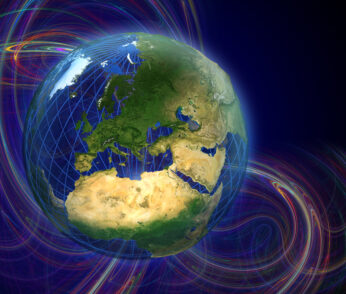
By Pierre Haroche
I propose a three-phase periodization of the relationship between Europe and the world that could serve as a basis for future research into the global history of Europe. They correspond to three paradigms in the Europe–world relationship, three levels of the centrality of Europe in the world, and highlight the fundamental reversal by which Europe made the world and the world made Europe.