By Mike Pace
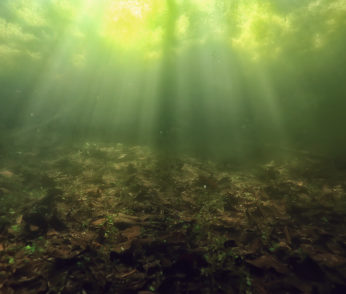
This is part of our Campus Spotlight on the Global Water Initiative at the University of Virginia.

a journal of research & art
By Mike Pace
This is part of our Campus Spotlight on the Global Water Initiative at the University of Virginia.

By the EuropeNow Editorial Committee
Here are this month’s editor’s picks from Research Editorial Committee members Hélène Ducros (Geography), Daniela Irrera (International Relations), Samantha Lomb (History), Louie Dean Valencia-García (History), and Malcolm Campbell-Verduyn (Political Science).
By Erica Morrell
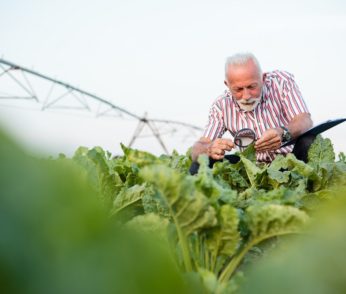
What is knowledge? In this course, we will explore the rise of the authority of science across much of the globe. We will regard potential problems with and challenges to science’s dominant position, and we will analyze whether and how other forms of knowledge may shape contemporary social, cultural, and political life. Practical cases to illustrate these dynamics will draw from the food system, and we will conduct significant engagement with our local community’s emergency food system to translate theoretical concepts around knowledge into practice.
By Hélène B. Ducros
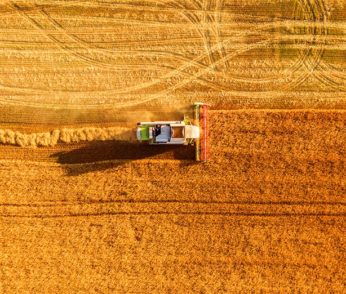
The articles and interviews included here clearly convey that food stands as an entry point into a wide range of contemporary and historical debates that touch all humans. What is more, they also indicate that food operates as a spatial and temporal link across a complex web of interconnected social, cultural, political, economic, environmental, demographic, nutritional, and physiological topics
By Ken Albala
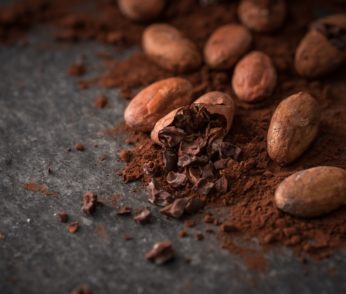
We are all too familiar today with the wildly exaggerated health claims made for so-called super foods. Often based loosely on clinical research, the underlying motivation for these claims is, of course, selling new products. Foods are likewise demonized with the same motives, here too pushing a new line and maximizing profit underlies the latest fad diets that ban whole classes of food.
Translated by Susanna Nied
When I was nine years old, the world too was nine years old. At least there was no difference between us, no opposition, no distance. We just tumbled around from sunrise to sunset, earth and body as like as two pennies. And there was never a harsh word between us, for the simple reason that there were no words at all between us; we never uttered a word to each other, the world and I.
By Phillipp Schofield
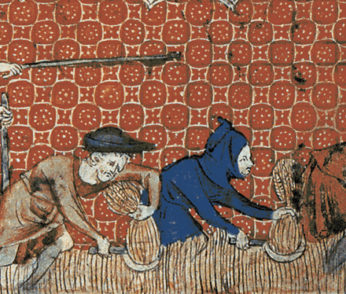
While we have a general sense of famine events in this period and some inroads into exploring the extent and impact of famine and dearth, there is also a great deal we do not know about famine in the middle ages. In fact, our ignorance in regards to famine reflects a more general gap in our understanding of medieval society.
Curated by Nicole Shea
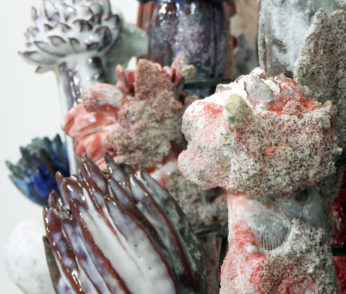
Tjalf Sparnaay’s oil paintings highlight the beauty of the contemporary commonplace while David Hicks draws his inspiration from the beauty of farm lands surrounding his home.
By Lara Davis
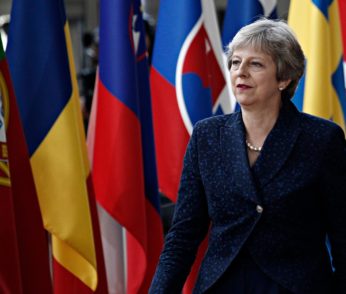
In relation to migration, the 2008 Financial Crisis changed the concept of securitization, which historically describes a political process of the construction of a security threat. It is a concept that was originally coined by the Copenhagen School and academics such as Ole Waever, Barry Buzan, and Jaap de Wilde.