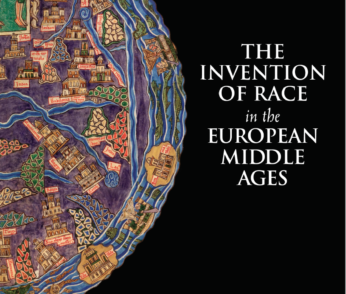
Reviewed by Shoshana Adler
A core tenet of Heng’s understanding of race as an analytic is the way its operations transform especially visible individuals into symbolic representatives of an entire [hated, feared, or disavowed] population.

a journal of research & art
Reviewed by Shoshana Adler
A core tenet of Heng’s understanding of race as an analytic is the way its operations transform especially visible individuals into symbolic representatives of an entire [hated, feared, or disavowed] population.
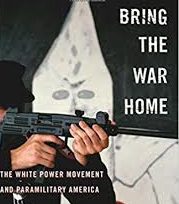
By Cynthia Miller-Idriss
Analyze how state authorities, rebel movements, extremist associations, and ethnic and religious organizations mobilize youth populations to shape public narratives.
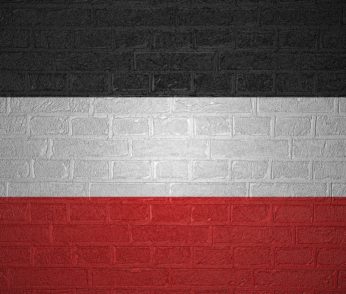
By Barbara Manthe
They live in their own world. They proclaim their own state territories, which are sometimes only the size of a stately home. They reject the legitimacy of the Federal Republic of Germany and its legal system, arguing that the pre-1945 German “Reich” is still in force.
Translated by Jeff Diteman
“Excellent work,” says the raspy-voiced, pock-faced man, as he holds out a copy of Spain: One Year of Dictatorship, “really excellent.”
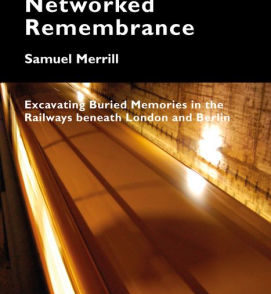
Reviewed by Brian Ladd
The widespread fascination with the landscape of underground railways is not difficult to understand. This is a realm frequently visited by large numbers of people who realize that they only glimpse fragments of a much larger system. The fact that these structures lie under the earth, and often lack illumination, ensures that many of us will wonder what might be hidden there, concealed by a cloak of darkness.

By Spencer Kaplan
I argue that these supercollectors do far more than simply move European art out of Europe. Central to their practices is the transformation of the very experience of these cultural objects. Through their museum exhibitions and accompanying catalogs, press releases, interviews, and panel discussions, the supercollectors imbue their European acquisitions with non-European narratives of economic power, national identity, and heritage.
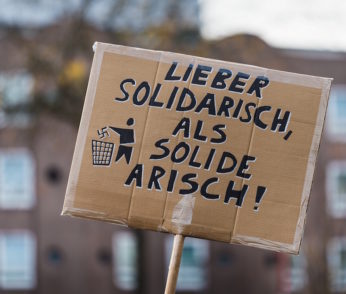
By Cynthia Miller-Idriss
The evening event, held from 5-7 pm followed by a reception, will include speakers from North America and Europe working on scholarship, policy and practice related to extreme and radical right politics, movements, organizations, and subcultural youth scenes.
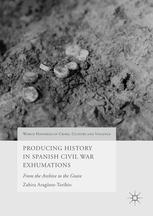
Reviewed by Jonah S. Rubin
In this timely volume, Zahira Aragüete-Toribio examines civil society forensic exhumations of Spanish Civil War dead in Extremadura, the region of western Spain where the author grew up. The region, which borders Portugal, saw some of the most intense fighting of the Spanish Civil War.

By the EuropeNow Editorial Committee
Here are this month’s editor’s picks from Research Editorial Committee members Hélène Ducros (Geography), Louie Dean Valencia-García (History), Malcolm Campbell-Verduyn (Political Science), and Thomas Nolden (Comparative Literature).