By R. Grant Kleiser
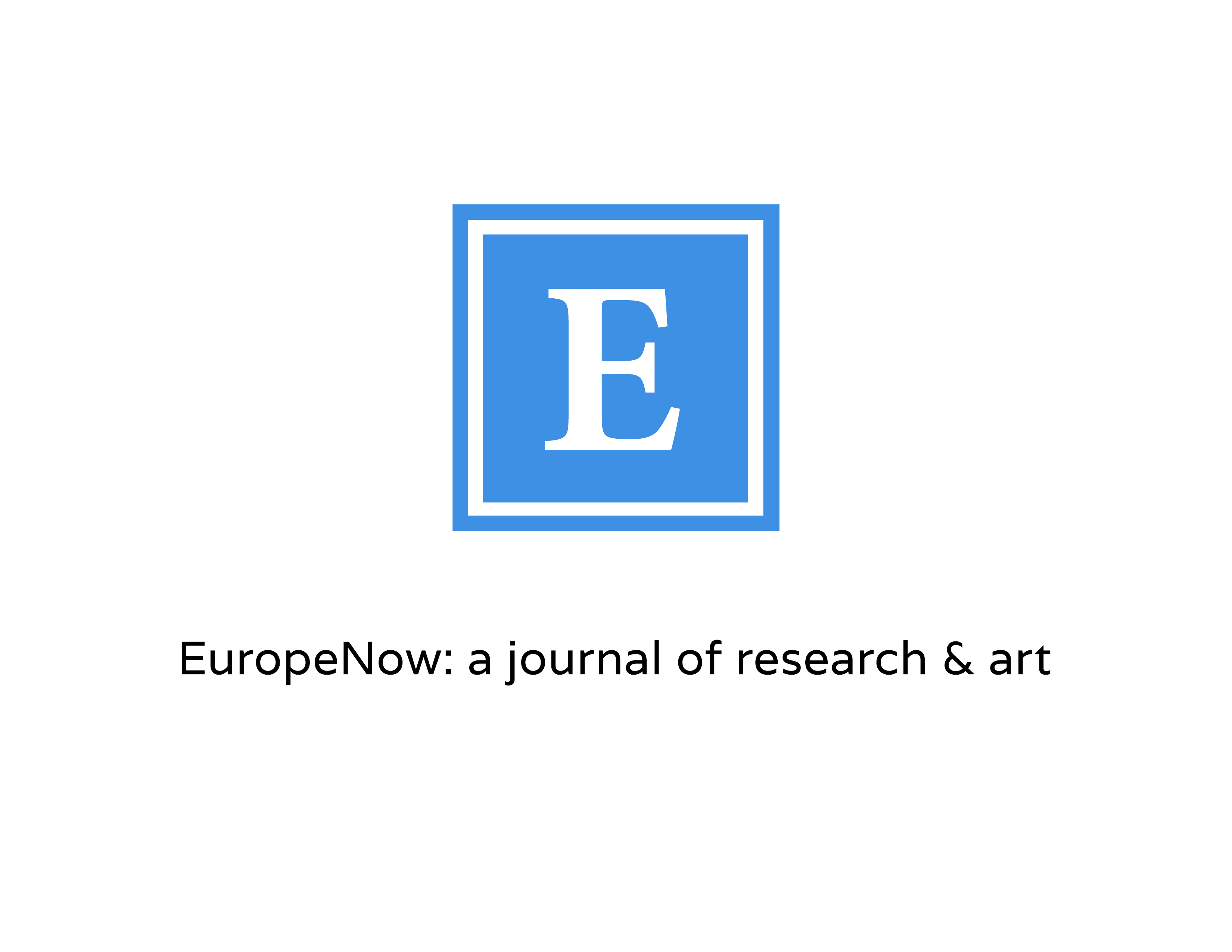
When first formalizing my research plans in early 2018, I conceived of my project concerning the British Free Port Act of 1766 to be about emulation and idea-sharing between various European empires in the Caribbean.

a journal of research & art
By R. Grant Kleiser
When first formalizing my research plans in early 2018, I conceived of my project concerning the British Free Port Act of 1766 to be about emulation and idea-sharing between various European empires in the Caribbean.

Interviewed by Louie Dean Valencia-García
This interview helps to show the ways in which the field of European Studies is evolving, but also demonstrates the importance of thinking outside of one’s discipline and one’s own perspective.

Interviewed by Kathryn Crim
At the center of Berlin-based Australian artist and writer Alex Martinis Roe’s work is the concept of feminist genealogies.

Translated by Angela Rodel
We danced through the Videnov financial Crisis as well, the protests, the harsh hyperinflation that bled our parents dry.
By Shayna Vayser
The wake of the dissolution of the Soviet Union in 1989 featured a dramatic decline in the participation rate of women in government.[1] Research attempting to rationalize this demographic shift has often omitted the sociocultural factors that influence social practice and normative values, specifically within discourses on behavioral changes in the absence of a communist, faux-egalitarian society.
By Carlos Reijnen
European Studies at the UvA has existed for well over thirty years now, and has gradually shifted from a very cultural and historical paradigm to an ambitious interdisciplinary collaboration between humanities, law, economics, and the social sciences.
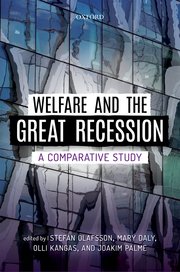
Reviewed by Anton Hemerijck
Ten years after the first economic crisis of twenty-first century capitalism, Europe seems to have passed the nadir of the Great Recession. Time to count our blessings: a rerun of the Great Depression has been avoided, and recovery, however timid, is under way while poverty is coming come down.

Reviewed by José Luis Fernández Castillo
From a general perspective, the authors illustrate how the act of translating was, on many occasions, at the center of political resistance both during the Spanish Civil War and in the long dictatorship that ensued.
By Madison Jackson
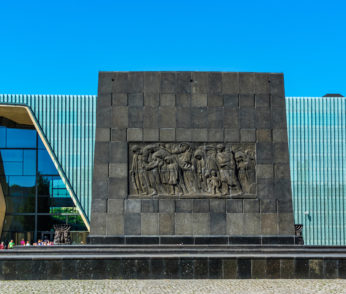
Jewish exhibitions first emerged as a post emancipation concept, founded in Western Europe in the last quarter of the nineteenth century. Prior to World War II, Jewish museums and exhibitions of any sort were limited; however, in 1945 the Jewish museums presence expanded in the West.