By Diana-Andreea Mandiuc
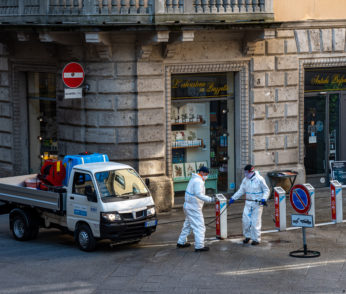
Just two days after the virus spread was categorized as a pandemic, Europe recorded the largest number of cases outside of China (Ghebreyesus, 2020), testing the Union’s ability to cope with emergency health issues.

a journal of research & art
By Diana-Andreea Mandiuc
Just two days after the virus spread was categorized as a pandemic, Europe recorded the largest number of cases outside of China (Ghebreyesus, 2020), testing the Union’s ability to cope with emergency health issues.
By Marcela Romero Rivera
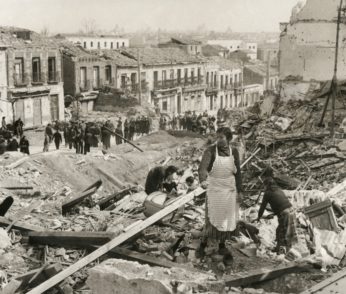
When does a revolution triumph? Can we say that a revolution is victorious when strategic military objectives have been secured?

By John Hultgren
In this issue of EuropeNow Campus, we feature a spotlight on Bennington College.
By Adedoyin Teriba
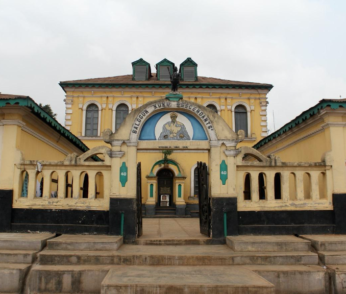
At times, architecture is a response to an existential crisis—especially if one is in dire straits in a European colony. All the more if, perchance, one had the ill fortune of being enslaved.
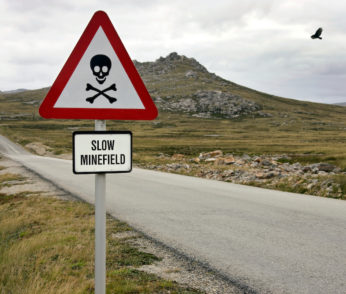
By Noah Coburn, Elbunit Kqiku, and Sitashma Parajuli
Landmine clearance is often approached as a technical problem: how do you remove a mine from the ground? Yet, landmines transform time, space, and people, as well as demonstrating much about life in the post-colonial, particularly the ways in which conflict uproots individuals and communities and reshapes their movement and sense of place, through both the presence of landmines and the act of landmine clearance.
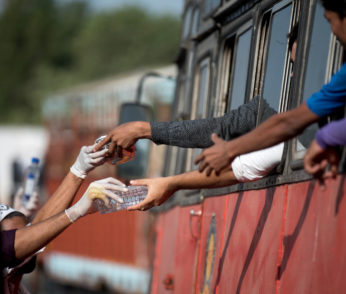
By Soumya Rachel Shailendra, Sitashma Parajuli, and Ioanna Katsara
Since the onset of the virus, scholars and engaged publics have heatedly debated how the emergency measures adopted by governments across the globe—“shelter in place” orders, mask requirements, expanded welfare provisions, mandates for companies to produce more PPE, etc. —will impact the rights of citizenship and the machinations of democracy.
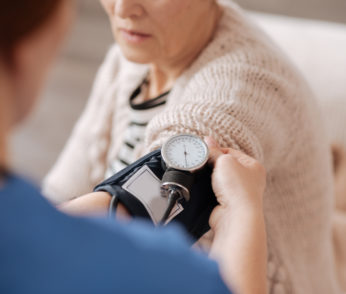
By Valeria Bonatti
Throughout much of the twentieth and early twenty-first centuries, most societies witnessed a steady growth in life expectancy. In much of the Global North, but also in wealthier parts of the Global South, this generated and continues to generate a growing demand for affordable elderly care workers—a demand that many societies meet through low-wage migrant labor from the Global South.
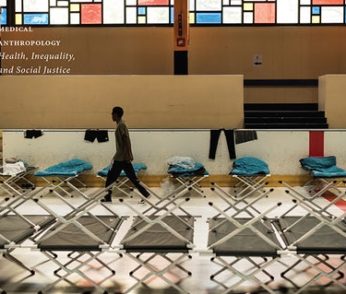
Reviewed by Sarah S. Willen
A nuanced analysis of the distinctive approach to “cultural competence” undergirding Centre Minkowska’s work.
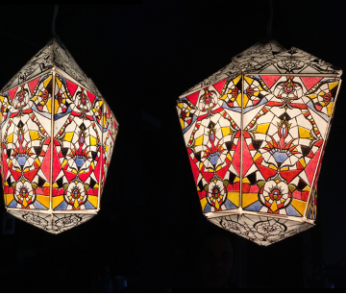
By Valeria Sibrian and Sarah Lore
When we took the course, “In Translation: Lives, Text, Cities,” at Bennington College in Fall 2017, we were presented with a class that would allow us to study writers who live in translation —writers like us.