Curated by Nicole Shea
This series illuminates the dangers confronting our waters, from leaking pipes to discarded plastics.

a journal of research & art
Curated by Nicole Shea
This series illuminates the dangers confronting our waters, from leaking pipes to discarded plastics.
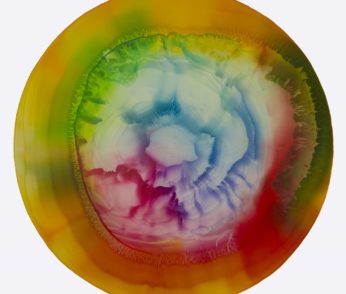
By Hélène B. Ducros
Our global dependence on fossil fuels, nuclear power, intense resource extraction economies, genetic manipulations, air, soil, and water contamination, and byproducts of modernity such as waste material like plastics and other synthetic polymers have caused great disturbances in the Earth ecosystems on which many species depend, including the human species.
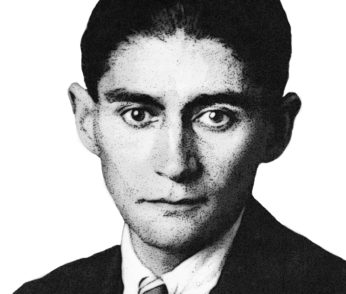
Translated by Michael Hofmann
On my lap the animal knows neither fear nor persecution. It feels happiest when pressed against me; it is loyal to the family that has nurtured it.
Translated by Kirkwood Adams and Elizabeth Clark Wessel
Ask: the hum of branches ringing in the body, a nervous shimmer, change inside a frequency.
By Tracey Heatherington and Bernard C. Perley
We now constantly think and talk of the prospects ahead for a planetary ecology essentially defined by human activity.
By Fredrik Albritton Jonsson, Benjamin Morgan, and Emily Lynn Osborn
View these course syllabi for Climate Change: Disciplinary Challenges to the Humanities & the Social Sciences at The University of Chicago.
By the EuropeNow Editorial Committee
Here are this month’s editor’s picks from Research Editorial Committee members Hélène Ducros (Geography), Kelly McKowen (Anthropology), and Mihai Sebe (Political Science).
By Hélène B. Ducros
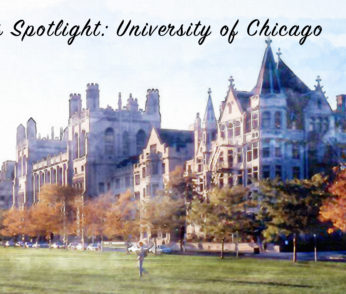
In this issue of EuropeNow Campus, we feature a spotlight on the University of Chicago.
By Jan Čulík
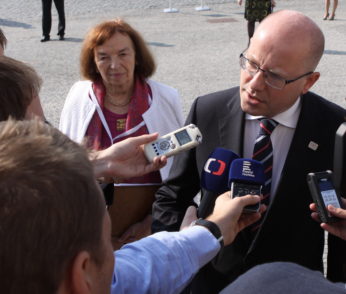
While the Czechs as members of a ten million nation know very well their international influence would be greatly diminished if the EU ceased to exist, their dissatisfaction of what they increasingly see as a position of second rate citizens within the EU could in future become a deeply destabilizing factor.