
By Godfrey Baldacchino
In the wake of the Greek “financial crisis,” some observers were surprised to note that the Greek islands, with their less-developed economic fabric, weathered the storm much better than their urban counterparts.

a journal of research & art
By Godfrey Baldacchino
In the wake of the Greek “financial crisis,” some observers were surprised to note that the Greek islands, with their less-developed economic fabric, weathered the storm much better than their urban counterparts.

Reviewed by Catherine Epstein
Karl Haushofer, the man who popularized the term Lebensraum (living space), has been accused of many misdeeds.

Reviewed by Joseph Palis
Paul Grant’s fine contribution to film studies sheds light on the subversive filmmaking practices of French collectives during and in the aftermath of May 1968 events. It exemplifies a “deep mapping” of the specific historical moment that greatly influenced and provided filmic vocabularies to filmmakers in succeeding generations.

By Roger Eberhard
It is quite common for wealthy tourists to visit impoverished countries without ever exposing themselves to the extreme penury its citizens suffer.
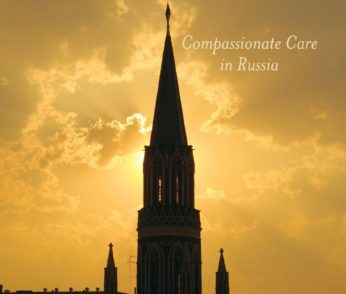
Reviewed by Tomas Antero Matza
Social and economic precarity, anomie, abandonment, dispossession and displacement—these, unfortunately, are hallmarks of our times. How, then, do ordinary people seek to make a difference in the lives of others?

Translated by Mirza Purić
Tell me!
between sleeplessness and dreamlessness
are the steps too tall too tight for the feet
swollen from roaming and do the eyeballs swell
from crossing gazes eye over eye
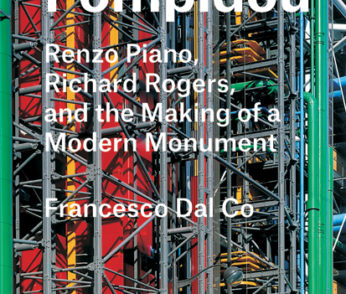
Reviewed by Leslie Sklair
This handsome book is a notable first contribution to the new Yale University series “Great Architects/Great Buildings.” In his illuminating preface, Dal Co begins with Virginia Woolf’s essay, “How One Should Read a Book,” published in the Yale Review in October 1926, where Woolf observes that a book is always “an attempt to make something as formed and controlled as a building.”

By Melanie Jordan
Three quarters of the way through, this dude
enters. Every time, he pops up like Mephistopheles
through a clunky trapdoor, and I don’t even know
if I’m inviting him
By Chris Blackman
Hope is but a greeting card, it occurs to me,
while in a cab barreling across the Triborough Bridge
and it might be important enough to get this maxim
tattooed on my neck in case I forget this simple truth
and lest ideas otherwise become more obtrusive,
more incessant, but these are just the ugly thoughts
to which I am chemically prone, when I’m feeling morbid—