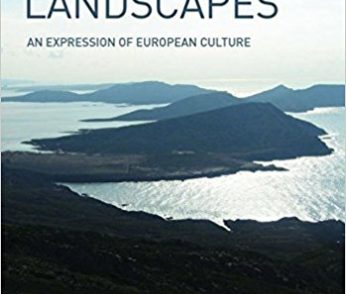
Reviewed by Stephen Royle
More satisfying in many ways are substantial chapters that demonstrate a methodology, which not only deepens their explanation, but would also encourage other scholars to take up the ideas for further study.

a journal of research & art
Reviewed by Stephen Royle
More satisfying in many ways are substantial chapters that demonstrate a methodology, which not only deepens their explanation, but would also encourage other scholars to take up the ideas for further study.
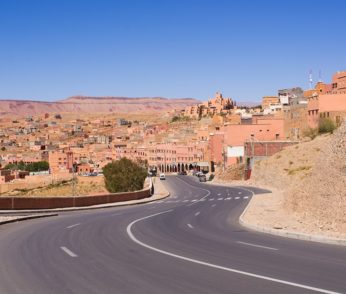
By Lauren Wagner
This set of research notes illustrates how the annual vacation of diasporic European-Moroccan communities towards Morocco carves a “Moroccan” road in their trajectory through Europe. By embracing this practice as a materialization of affect, we can appreciate the infrastructure of the road as more than a space of transit.

By Theophilus Kwek
Now that we live in the same house, it sits on a glass shelf in the hallway, a dark lens winking when the lights come on. A cataract of dust, invisible except at certain angles…
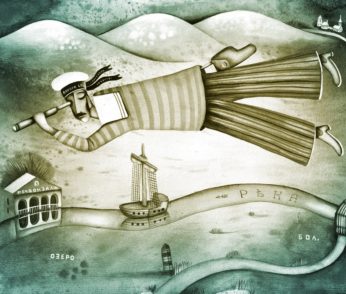
By Hélène B. Ducros and Katrine Øgaard Jensen
In Europe, from the time of religious pilgrimages or journeys to spa towns for thermal treatments, all sorts of people have undertaken recreational travel since at least the Middle-Ages, even if motivations differed. But, it is with the industrial revolution that tourism took on a new face with the practice of the tour. Later, the emergence of paid leave in many places gave the impetus for the first mass tourists.

Translated by Rachel Hildebrandt and Alexandra Roesch
White swathes of steam float across the deck. It wreaks. Someone has puked into the swimming pool, and fibrous chunks float on the surface. Leg of duck in a truffle reduction—the Chef’s daily special. As though in slow motion, the girl straightens up, staggers away, reeling between stacks of deck chairs and disappears into the haze.

Reviewed by Yasmin Roshanian
Adua dreams of a place where the taboos surrounding sex, romantic idealism, and uninhibited aesthetic pleasures are not censored or damned.
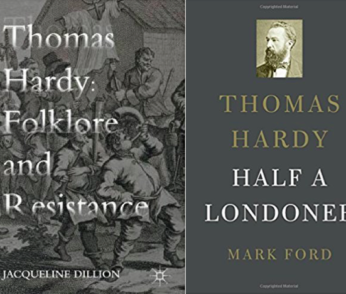
Reviewed by Roger Ebbatson
The permeable generic boundaries between Hardy’s prose and poetry sometimes gesture towards a version of the Derridean thesis that a literary genre is dissolved at the moment of its establishment.

By Thomas Henökl
The EU is about to digest the separation from Great Britain, a major member state, and one of Europe’s two military powers. Setting a precedent of sorts, Brexit, so far, may appear to be a negative example of how to prepare for common challenges and multilateral cooperation in times of turbulence.
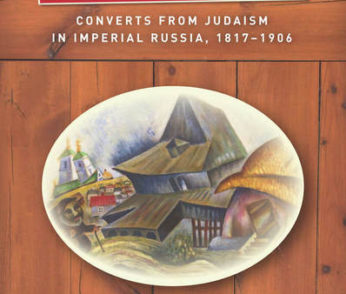
Reviewed by Theodore R. Weeks
The field of Jewish studies has developed considerably over the past few decades. In particular, the field, which has never closed off from other disciplines and area studies, has progressively opened up to insights and topics that are of interest to broader scholarly and social groups, from anthropologists, to historians, to social scientists of all stripes.