By Milos Rastovic
The future enlargement of the European Union (EU) has become a critical question for debate among its members. Whether the EU maintains its existing boundaries or expands to the East is a concern that divides many.

a journal of research & art
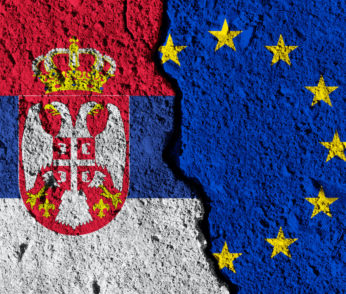
By Milos Rastovic
The future enlargement of the European Union (EU) has become a critical question for debate among its members. Whether the EU maintains its existing boundaries or expands to the East is a concern that divides many.
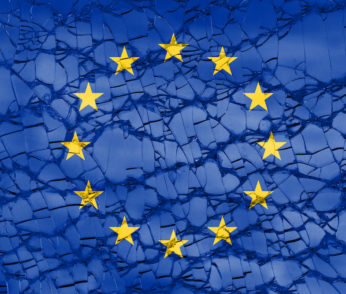
By Angélica Szucko
On March 25, 2017, the European Union (EU) celebrated the 60th anniversary of the Treaties of Rome, which established “an ever closer union” as a fundamental principle for regional integration.
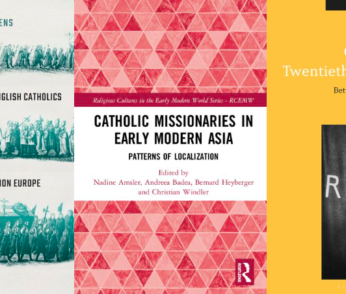
By Hélène B. Ducros
This roundtable juxtaposes reviews of three recent books―two monographs and one edited volume―that delve into the role of Catholicism in influencing the social history of Europeans and Europe’s place in the world, and challenge the very conceptualization of European Catholicism as a hegemonic monolithic force in Europeanization and globalizing patterns since the seventeenth century.
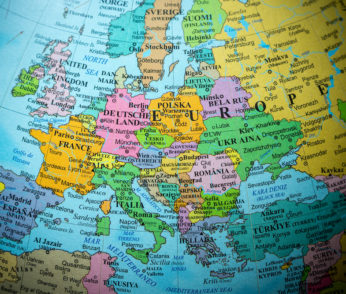
By Rafael de Miguel González
Europe, thus, has played an important geopolitical role, in particular through the European Union from the twentieth century on, even though the latter faces two major challenges to become a one and only voice in the world: a lack of political cohesion among its member states and limited European citizenship.
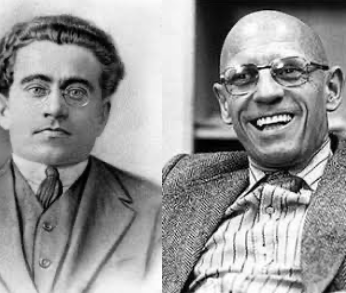
By Vanessa Bilancetti
In front of the explosion of the financial crisis, between 2008 and 2011, European studies was completely unable to comprehend the unfolding socio-political and economic dynamics.
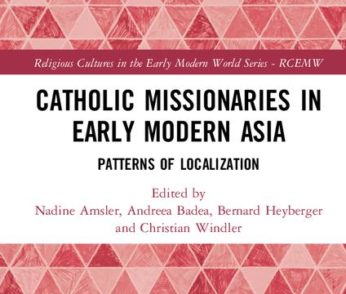
Reviewed by Michel Chambon
Throughout this edited volume, contributors explore how Catholic missionaries have engaged with Asian societies during the sixteenth, seventeenth, and eighteenth centuries and how, through these interactions, Catholicism became a local reality.

By Richard J. Golsan
Like other young academics entering their careers at that point in time, I anticipated a life of researching and teaching the beauties and subtleties of French literature and, with luck and hard work, of establishing myself one day as one of the world’s leading authorities on Montherlant, and who knew, perhaps even on modern and contemporary French theater?
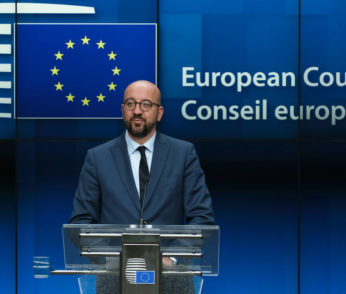
By Mihaela Tofan
The financial crisis that took place during the first decade of this century pointed out that further financial mechanisms are necessary to emphasize the integration process of cooperation among EU member states.

By Esther Liberman Cuenca
Patrick Geary contended in The Myth of Nations (2002) that the rise of ethno-nationalism, as a response to the ascendancy of the European Union, was inseparable from the weaponization of the middle ages. Nationalism, in both its current and nineteenth-century iterations in Europe, has always paid homage to the ghosts of an imagined past, one that frequently collapses the medieval with the modern present.